Plain answers about window glass repair in Carlsbad, CA, from foggy dual pane units to cracked panes and salt air wear near the coast. Learn how the work is done, what affects it, and what to ask before you hire.
Most cracked or fogged window glass in Carlsbad gets replaced, not patched, and the frame usually stays in place. You deal with this every day if you own a home along the coast here. The morning marine layer that rolls in off the Pacific leaves glass and frames damp for hours, and that moisture is what turns a small crack into a full replacement job by afternoon. Salt air from Carlsbad State Beach rides the breeze inland, settling on west-facing panes that bake hard under strong afternoon sun. The lagoon-side humidity around Agua Hedionda and Batiquitas adds its own slow push against the seal. A homeowner inland past Interstate 5 sees different wear than someone three blocks from the ocean, but the fix stays the same: remove the sash, cut out the old pane, set a new one in the existing frame.
Damage Patterns
You can read a lot about a house by looking at its windows. The seal on dual-pane units fails first near the lagoons, where humid air works its way between the panes and leaves a fog that never clears. Glass closer to the beach carries tiny pits from salt, and those spots spread when the sun hits full tilt after the marine layer burns off. Cracks from hail or a stray baseball are obvious, but the kind that matter most start hairline at the corner where the frame meets the glass, then creep along the edge on a west-facing sash that expanded in the heat.
Frame Conditions After Years of Coastal Exposure
If you have vinyl or aluminum frames, the salt air near Carlsbad State Beach finds every joint and seam. Wood frames swell and stick when the morning marine layer sits heavy for days, and you learn which windows need a steady hand just to close. The frames around Agua Hedionda and Batiquitos feel softer over time, more willing to flex than the ones sitting on higher ground toward Oceanside or Interstate 5.
When Replacement Beats Repair
You usually know within a season whether the glass is worth saving. A single pane with a clean break gets cut out and reset, but once the seal is gone on dual-pane units the whole unit comes out. The frame stays if it is solid, but if it has started to bow or rot from the lagoon humidity, you pull the whole sash and start fresh. Homes in Encinitas and the inland stretches toward Oceanside see less salt but more thermal shock, and that is a different kind of failure entirely.
Guides
These guides cover preparing for a service visit, choosing replacement glass types, diagnosing fogged dual-pane units, working on humid marine layer mornings, handling salt air effects, and deciding whether to replace just the glass or the full window. Each page walks you through the real steps a tradesperson takes when the job shows up on the schedule.
Most scratches start with a grain of sand, and nowhere more so than on windows that face the ocean. Homes west of I-5 and along the coast near the Village and South Carlsbad collect salt spray and fine beach sand on exterior glass. Salt dries into hard crystals, and when a cloth or sponge drags that grit across the pane, it leaves a line the length of the stroke. Flood the surface with plain water from a hose or a bucket first so the particles float free and wash away. Keep the glass wet while you work, because a dry wipe on dusty glass is the fastest way to start a scratch.
After Santa Ana wind events, exterior glass is often coated in fine dry dust that feels soft but still holds hard particles. Soaking and rinsing it beats dusting it off with a dry cloth every time. If bird droppings and tree sap are common near the lagoons and the coast, soften them with a wet cloth left on the spot for a few minutes, then lift them away. Do not scrape them dry.
Pick Tools That Cannot Turn Into Sandpaper
A soft microfiber cloth or a clean strip washer paired with a mild solution of a few drops of dish soap in a bucket of water is enough for nearly every pane. Rinse the applicator often, because a dirty applicator becomes sandpaper by the second panel. Use a squeegee with a smooth, unnicked rubber blade, and replace worn rubber instead of pressing harder. A blade with a nick or a hard edge leaves streaks and can trap grit.
Never reach for steel wool, scouring pads, abrasive powders, or melamine foam erasers. All of these are abrasive and can haze or scratch the surface. Keep pressure washers away from windows, since the force can push water past glazing gaskets and edge seals, into the wall around stucco openings, and stress the insulating glass seal. A garden hose is plenty.
Know What Kind of Glass You Are Cleaning
Look for a small etched mark in the corner of a door, slider, glass near floors, or panes next to doors or tubs. That mark usually identifies tempered glass, and if you are unsure about any pane, treat it as tempered. Tempered glass is stronger against impact, but its surface is not more scratch resistant than regular glass, so use the same gentle methods on it.
On ordinary annealed glass, a new razor blade held flat and used only on wet glass, pushed in one direction, can lift paint or stuck debris. Tempered glass can carry tiny surface particles from manufacturing that a blade drags into long scratches, so avoid scraping tempered glass. To check whether a mark is a real scratch, run a fingernail across it. If the nail catches, it is a scratch, and trying to polish it out can grind a shallow dip that distorts the view. Get a glass pro to assess deeper scratches.
Protect Coatings, Films, and Sealed Units
Low E coatings in modern dual pane windows usually sit on the inner surfaces inside the sealed unit, so normal cleaning never touches them. Some products have a coating on an exposed face, and if you see a faint tint or a sticker, check the manufacturer's care instructions before using anything other than mild soap and water. Glass with a hydrophilic self cleaning exterior coating still needs an occasional rinse, and the maker's guidance typically excludes abrasives and silicone based products that can foul the coating.
Aftermarket window film is common on sunny west and south facing glass. Clean it only with a soft cloth and a mild ammonia free solution. Never use blades or abrasives, and wait out the installer's stated cure time before the first cleaning. Normal household cleaning will not strip the low E coating off sealed dual pane windows, but strong chemicals and solvents can. Keep solvents off rubber gaskets and glazing beads, since they can dry out or swell the seals. Fogging or haze between the two panes of a dual pane window is not dirt, it means the edge seal has failed, and no cleaning reaches it. The fix is a replacement glass unit, not a stronger cleaner.
Guard the Frames and Tracks
Hard water spots from sprinklers that hit windows are common here, so adjust or redirect sprinkler heads first, because spotting comes back if the source remains. For light mineral spots, a diluted white vinegar solution can help, but keep it off natural stone sills, rinse thoroughly, and do not let it dry on the glass or frame. Old mineral deposits can etch the glass permanently, and no cleaner reverses etching.
Aluminum frames near the coast can pit and corrode from salt. Rinse them when you rinse the glass, wipe with mild soap, and skip abrasive pads that strip anodized or painted finishes. On vinyl frames, use mild soap only and avoid harsh solvents. Remove and wash screens separately before cleaning the glass, because dirty screens shed grit onto wet panes and can scratch them during the final wipe.
Clean Track and Drainage Points the Right Way
Vacuum the sand out of slider tracks before washing them, and keep the weep holes or slots at the bottom of the frame clear. If water sits in the track, the weeps are usually clogged, and sealing them shut only traps more moisture. Wash in shade or on overcast marine layer mornings, because direct sun dries the solution before you can squeegee it, which leaves streaks and tempts you to scrub harder. A quick final pass with a dry microfiber cloth or a clean towel on the squeegee tip removes the last traces of moisture and keeps the view clear without leaving lint.
When a Streak Is Not a Streak
A fingernail test that catches means a real scratch, and polishing it out risks grinding a shallow dip that distorts the view. Stubborn film, mineral rings, and haze that a normal cleaning will not lift are better left for a glass pro to assess, since aggressive attempts at home often make the mark wider and more obvious. Regular rinsing, gentle soap, and a clean squeegee keep coastal glass clear without turning an afternoon chore into a repair job.
Morning Moisture Starts Where the Warm Meets the Cold
The glass in a Carlsbad bedroom goes cold on clear coastal nights even when the thermostat stays comfortable. Warm air from breathing, cooking, or a shower holds water vapor without effort, but the moment that air touches the chilled pane, the vapor turns to liquid on the glass. This is not a broken window. It is basic physics playing out at the worst possible hour, just before dawn, when outdoor temperatures bottom out and the glass loses heat fastest.
Two Types of Wet Glass, Two Very Different Fixes
Before worrying about window glass repair in Carlsbad, figure out where the moisture actually sits. Wipe the inside surface clean with a dry cloth in the morning. If the glass dries off completely, the problem is surface condensation. If a haze or film remains after both sides are wiped, the moisture is trapped between the panes, and that signals a sealed glass unit that has lost its seal. Surface condensation usually responds to humidity control and ventilation. Between-pane moisture does not. It needs replacement glass installed by a glazier.
Why Coastal Mornings Make It Worse
Carlsbad mornings stay mild most of the year, but clear nights let glass radiate heat into the sky like a cooling radiator. The ocean keeps daytime warmth steady, but it cannot stop the pane from dropping below the dew point overnight. This effect is strongest in neighborhoods close to the lagoons and the coast, where the marine layer settles in after sunset. Homes inland near Batiquitos or the golf courses see the same thing on their single pane aluminum frames, where the metal itself sweats along with the glass.
The Bedroom Is the Worst Room in the House
Sleeping with the door closed traps warm, moist air in one spot. Eight hours of breathing and skin moisture build up humidity against the window, and the curtains stay drawn for darkness. That makes a pocket of cool, saturated air pressed against the glass. Cracking the door open even a few inches lets drier hallway air mix in. A ceiling fan on low speed keeps the air moving so it does not settle and condense on the sash.
Coverings That Hide the Problem
Closed curtains and blinds act like a second wall of insulation, but in the wrong direction. They trap a thin layer of air next to the glass that drops in temperature as the night goes on. Keeping blinds or curtains open at the top and bottom lets warmer room air flow over the glass and hold the surface above the dew point. If privacy matters, install inside shutters that can stay partially open, or use light filtering treatments that do not press flat against the pane.
Find the Moisture Before It Finds the Window
Showers, boiling pasta, running the dishwasher, and drying clothes inside all add water to the air. Houseplants and aquariums do it slowly all day. An unvented gas heater adds a surprising amount of moisture to the room along with combustion byproducts. These sources matter more than the window itself. Run the bathroom fan during and after showers, and make sure it actually pushes air outside instead of into the attic. Test it with a tissue held against the grille. If the tissue does not stick, the fan or its duct needs attention.
Measuring Humidity Without Guessing
A small digital hygrometer on a bedroom nightstand tells the real story. If the reading climbs above sixty percent in the evening and stays there, the windows will sweat no matter how efficient they are. Ideal indoor humidity during a damp Carlsbad winter sits between thirty and fifty percent. When the coastal fog rolls in for days, that number can drift higher even without obvious moisture sources. A dehumidifier in the problem room is a practical step, especially in older homes that never had central air conditioning to pull moisture out of the air.
When Opening Windows Makes It Worse
Santa Ana wind days feel dry and tempting, but marine layer mornings do not. Outside air near the coast carries more water vapor than the indoor air during gray stretches, so opening windows trades drier inside air for damp outside air. Ventilate during sunny afternoons and dry wind periods. During long foggy weeks, rely on exhaust fans, the range hood, and a dehumidifier instead of cross ventilation that just circulates moisture.
Single Pane and Aluminum Frame Limits
Many early Carlsbad tract homes still carry their original single pane windows, often in aluminum frames. Aluminum conducts cold like a metal spoon in ice water, so these windows sweat along the glass and the frame itself. Replacing the sash with a dual pane unit helps, but the aluminum stiles will still show moisture in winter. That is the material working the way it was designed, not a defect that needs urgent glass repair.
Outside Dew That Means the Glass Is Working Well
Water or frost forming on the outer surface of the glass in the morning is a sign that the window is insulating properly. Energy efficient dual pane glass keeps the interior pane warm enough that the cold settles on the outside instead. It dries with the sun and needs no intervention. Only moisture on the inside or between the panes calls for action.
What to Do Before Calling a Glazier
Morning condensation will not disappear overnight, but it will not ruin the windows either if it gets cleaned up daily. Wipe the sill dry, keep the tracks clear, and check the weep holes on sliding windows. Sand and salt from coastal air clog those small drainage slots, and standing water in the track can attack the edge seal of a dual pane unit. A soft brush or a pipe cleaner clears debris without risking a gouge in the vinyl or aluminum.
When the Seal Is the Problem
Fog, haze, or water droplets between the panes mean outside moist air has invaded the insulated space. No amount of room heating, dehumidifying, or wiping will remove it. Look for signs like a milky film that shifts with temperature, white mineral streaks, or glass that looks slightly wavy or distorted. This is a sealed unit failure caused by age, weathering, or water damage from a blocked drain.
What Replacement Glass Actually Fixes
Replacing the insulated glass unit restores the clear view and the thermal layer between the panes. It will not stop interior condensation caused by high indoor humidity. If the existing sources of moisture remain, the new glass will still sweat on cold mornings. That is why checking indoor humidity, improving ventilation, and clearing bathroom and kitchen moisture sources come first.
Gentle Care for Double Pane Glass
Avoid pressure washing dual pane windows or using harsh solvents near the edge seal. Do not try to heat the glass with a torch or hair dryer to clear trapped fog. These steps risk cracking the glass or damaging the seal that the replacement unit just restored. A soft cloth, mild soap, and warm water clean the surfaces safely without threatening the new installation.
When Glass Repair in Carlsbad Makes Sense
Call a local glass professional when you see moisture between the panes, a cracked or broken pane, condensation that does not improve after lowering indoor humidity, or soft and rotting wood around the frame. Wood sills swell and paint peels when moisture sits too long, and mold starts in the tracks and on the caulk. Catching these signs early means simpler fixes and less expensive window glass repair before the damage spreads into the wall or flooring.
A Practical Morning Routine for Coastal Windows
Start each day by wiping the glass and sill dry, then check the hygrometer reading. Keep interior doors open at night for airflow unless privacy is needed. Open coverings to let warm room air reach the glass in the evening. During humid weeks, run a dehumidifier instead of relying on ocean breezes. And remember that a little morning moisture on single pane windows in an older Carlsbad home is often just the weather working the way it always has, not a defect demanding immediate attention.
A glass replacement starts with the edge detail, not the view.
The running record at window glass repair carlsbad grevillea park holds measurements taken off the coast, where the marine layer stacks moisture against the glass and the salt air pushes through the insulated units faster than inland stock. Work booked through that file is cut to the existing rebate, and the desiccant in the spacer bar gets replaced rather than patched, because a partial dry-out just moves the fog to the next seal. Most of the houses along Carlsbad State Beach and the lanes that back Agua Hedionda Lagoon sit in vinyl windows, but the older blocks near Batiquitos Lagoon carry aluminum windows from the 1970s, and those frames take a different cut than a fiberglass window or a clad window with a wood interior.
Tempered glass and laminated glass both stop a broken panel from raining sharp chunks onto Oceanside drives, but they fail in different directions. A single pane of annealed glass in a picture window can be re-cut on site, while tempered glass ordered to length arrives at the shop and stays that way, since no torch or router bites after treatment. Low E glass carries the coating on surface two or surface four inside an insulated glass assembly, so swapping one unit without rotating the old sash leaves the metallic layer facing the wrong side, and the thermal performance drifts even when the spacer bar looks correct.
Matching tinted glass side by side on a bow window keeps the face uniform, and a tradesperson swaps the whole double pane rather than chasing a scratch across one light. A wood window with original wire reinforced glass needs a laminated substitute that flexes the same way, because the frame movement in these coastal homes settles twice a year with the tide. The shop stocks insulated glass in 5.8mm and 6.76mm builds, and every insulated unit gets a new butyl seal at the perimeter, otherwise the marine layer finds the gap and the desiccant runs pink by next spring.
Work heading to Encinitas or along Interstate 5 gets measured with a folding rule and a straightedge across the sash, because a sample pulled from the center of a single hung reads thinner than the edge where the glass sits in the channel. The notes at window glass repair carlsbad grevillea park mark each failure as stress crack, impact, or seal, and the replacement carries the same edge work so the vinyl window or aluminum window does not need to be reset.
Look for haze or fog trapped between the panes, that is the sign the perimeter seal has broken and the airspace is breathing humid air. The spacer bar holds desiccant that absorbs small moisture loads until it saturates, then condensation forms on the inner lite. Each daily cycle of sun heats the gas, the air expands and pushes out, it cools and the seal lip is pulled back in, and over time the joint loosens. Mineral residue often stains the inner surface after repeated wetting, and no amount of wiping the exterior clears that film, the cavity has to be opened to reach it.
Around Agua Hedionda Lagoon and Batiquitos Lagoon the marine layer sits heavy on the glass most mornings, salt air rides the breeze off Interstate 5 near Encinitas and Carlsbad State Beach, and the cooler days out here let moisture settle into every gap the seal has started to leak. That coastal humidity is why window glass repair carlsbad grevillea park covers it in detail, the moisture here moves slower and dries later than inland.
Removing the old unit without wrecking the frame
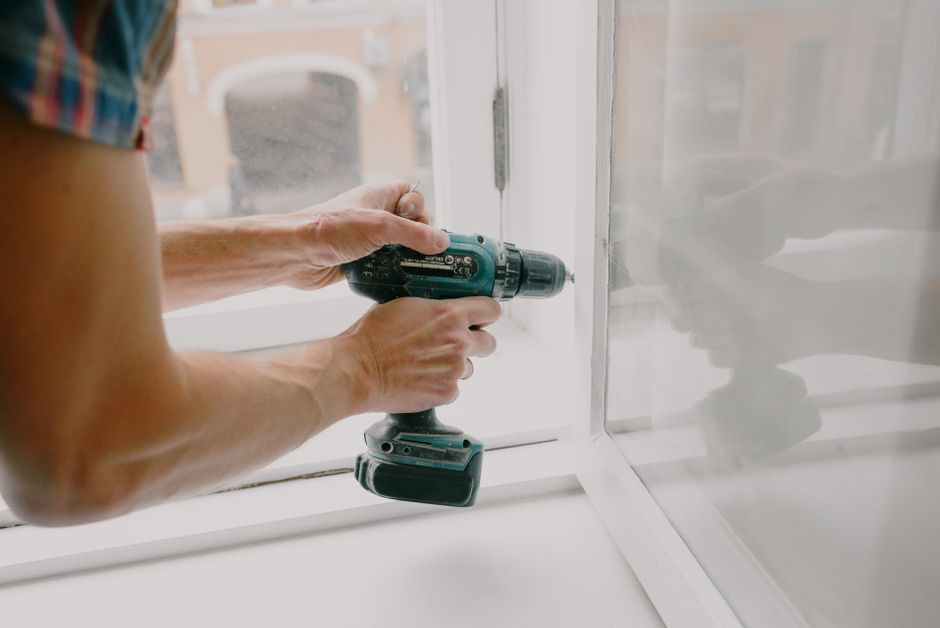
A failed unit can usually be swapped on its own when the frame and sash are still sound. Start by pulling the glazing stops or beads with a flat bar and a shim, lift the old panel clear, and set it aside on padded sheathing so the glass does not chip. Check the setting blocks at the bottom rail for rot or compression in wood windows, for corrosion in aluminum and vinyl window frames, for separation in composite frames, those supports hold the new panel level and must carry the load even after the unit is replaced.
Ordering and sizing the replacement panel
Order the replacement insulated glass to the measured glass size, the daylight opening is smaller because the edges sit inside the frame rabbet. Measure height and width at three points each, note the sight line the customer wants, then send the tall and short numbers to the shop that cuts the IG units. Any gas fill such as argon vents out once the seal fails, so drying the old panel never restores the R-value, the order goes in for a new dry fill, usually argon or krypton, and a fresh desiccant matrix.
Seating the new unit and rebuilding the seal
Set the new double pane on fresh setting blocks at the bottom edge, leave a quarter inch gap all around for shims and sealant, then bring the stops back with a rubber mallet and a tapered wedge so the bead seats flush. Run a bead of silicone or butyl where the glass meets the frame, wipe the squeeze out, reinstall the interior trim, and check that nothing rattles when the sash is closed. In San Diego County the afternoon marine push finds any short joint fast, so set the panel true before the tide turns hot.
Types this job crosses and what holds up
Fiberglass window and vinyl window panels take the salt air best here, aluminum window sashes conduct cold but seal fine with Thermal Creek gaskets, wood window and clad window frames need the drip edge checked twice, and composite frame sash rarely move after the first year. Double hung and single hung units get repointed at the parting bead, casement and awning panels need the operator adjusted so the latch does not pull the glass out of square, sliders and picture window panels carry the most weight so the rollers and anchors get reset after the swap.
Installers on the coast watch the burn off rather than the clock. The marine layer rolls in overnight over places like Agua Hedionda Lagoon and Batiquitos Lagoon, and it leaves a film of moisture on every surface by dawn. A vinyl window or an aluminum window sitting in that damp air will bead up the same way, and silicone sealant will sit there skinning over slowly instead of grabbing the joint.
The trick is working with the day, not against it. A double pane unit pulled from a sunny wall can be hot enough to burn, and the aluminum frame expands just enough that a measurement taken inside does not match the opening once the sun moves. That is why we confirm the reveal on the actual opening, not off a diagram.
Curing in Cool Air
Most silicone sealants cure by pulling moisture from the air, so cool morning temperatures slow the skin over and the full cure. A freshly run bead in the shade near Carlsbad State Beach may take longer to firm than the same bead in full sun by Interstate 5, and that difference changes the schedule.
This is why large panes go in during calmer hours. Strong wind makes handling a picture window or a bay window harder, and it pushes sand and debris into fresh sealant before it sets. A small sample overstates the edge, so the best work waits for a window in the weather that lasts long enough to let the joint settle.
When the Glass Shows Up Late
Custom insulated glass is made to order, so the replacement rarely happens on the same day as the measure. The site is secured with a temporary board or clear sheet, and the opening is taped and flagged so the second visit matches what was measured.
That delay means the pocket dries twice, once when the old unit comes out and again when the new one is set. Wiping the glazing pocket and waiting for the frames to dry before applying sealant or tape is not just habit, it is the difference between a seal that holds and one that peels.
Materials in the Marine Air
A fiberglass window holds heat differently than a wood window or a clad window, and each frame material expands and contracts at its own rate. Double hung and casement hardware set into an aluminum window will shift if the seal fails, and a slider or awning unit will drag its weather seal if the frame has twisted while curing.
Composite frame joints need a cleaner surface than a standard vinyl window, because the bond carries more load. We run a fingertip along the joint before sealing, and if it feels damp we wait. The marine layer does not excuse sloppy work, it just makes the waiting visible.
Most glass work only needs to be opened up if the frame stands up square and solid, the sash moves on its tracks or hinges without binding, and the weatherstrip still bites when the window closes. A wood window that is rotting at the jamb, a vinyl window that has bowed past the reveal, or an aluminum window with corrosion eating through the rails points toward pulling the whole unit instead. A lot of double hung and casement frames in Carlsbad, CA sit tight for a glass only job, but checking the corners and the operation speed rules before ordering glass.
Cracks and glass type
A crack that starts at the edge and runs inward as a single line usually means thermal stress, while a spiderweb or a starburst radiating from a point means impact. Cracked window glass gets replaced, because a pane cannot be patched back to its original strength the way a windshield sometimes is. Sliders and many large picture windows are tempered, so the replacement glass has to match that safety type, not the Annealed stock pulled from the off cut bin. A bow window in the front bay of a home near Carlsbad State Beach still calls for matching glass thickness and coatings, even if only the insulated glass unit is swapped.
Glazing and seal work
Glazing is how the glass is held, and it shows whether the job was done right. Tape, sealant, or both, each method leaves a different gap path for water and air. A careful installer will set the new insulated glass with a small sample bead over the edge, press it flush, and wipe the excess so it does not overstate the reveal. The frame is reused if it is solid, and the estimate should say so before the glass is cut.
What to ask before sign off
A careful estimate states glass type, thickness, coatings, and whether the frame is reused, because skipping those marks turns a repair into a redo. Ask whether the new insulated glass unit carries a written warranty on the seal, and confirm how the unit will be glazed, whether with tape, sealant, or both. Homes along Agua Hedionda Lagoon and Batiquitos Lagoon live with a salt marine layer that eats softer putty faster, so glazing choice and seal life matter more than the color of the frame. Fiberglass and clad windows take sealant better than raw wood, and composite frames hold dimension under that coastal heat better than aluminum window sections that expand and contract.
Matching the existing
The glass replacement has to match what is already there, including thickness and Low E coatings, or the whole pane swaps tint compared to the neighbors. Double pane units usually run two sheets with a spacer, so a single pane swap leaves the edge seal exposed and drafts the room. Slider tracks and single hung channels need the sash rebalanced after glass changes, especially on larger picture windows where the weight shift makes the panels bind on the rollers. Checking that balance during the install, not after, keeps the window operating the same way it did before the glass was cut.
Signs the whole window needs to come out
Rot at the jamb, warped tracks, or a sash that drops uneven once the glass is out means the frame is beyond saving, and a glass only job wastes time. A wood window that is solid but painted too many times hides rot under the sash stop, and cutting that open often reveals the rails are soft enough to dent with a screwdriver. Vinyl window corners that have separated on one side transfer stress to the glass, so a new insulated glass unit will rattle loose again unless the frame is replaced. Closer to Interstate 5 and Encinitas, older aluminum window frames from the 1970s fail at the thermal break, so swapping just the glass lets heat and marine layer moisture sit against bare metal.